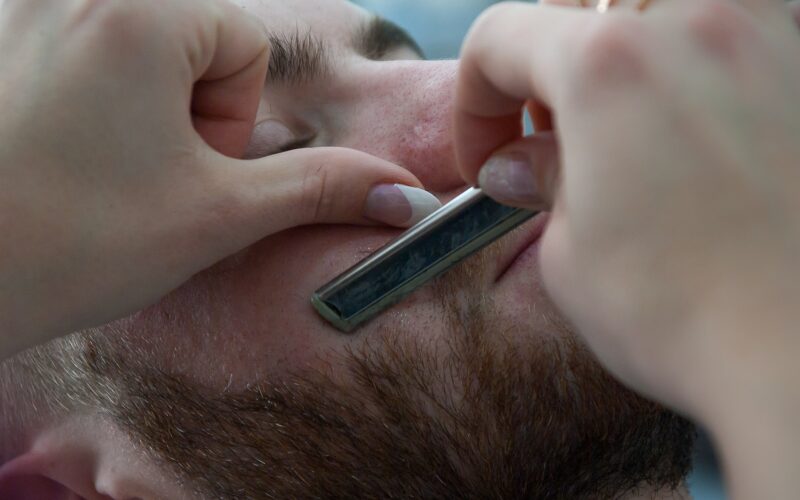
For decades, the beauty and cosmetics sector directed its messaging entirely towards women, leaving male consumers with little more than a basic bar of soap and a three-in-one shower gel. This narrow approach completely ignored a massive demographic capable of driving immense market growth. Recently, a significant cultural shift has forced brands to re-evaluate their target audiences. Male grooming is no longer restricted to a splash of aftershave or a quick shave before work. Men are actively seeking out skincare routines, targeted treatments, and even subtle cosmetics to enhance their natural features, prompting the industry to finally acknowledge their presence and purchasing power.
The changing face of male grooming
The modern consumer landscape reveals a distinct departure from outdated stereotypes regarding masculinity and personal care. Social media platforms and digital communities have provided safe spaces for men to discuss skin concerns, share product recommendations, and normalise the use of moisturisers, serums, and concealers. This open dialogue has steadily dismantled the stigma previously associated with men taking an active interest in their appearance. Consequently, established cosmetic houses and independent start-ups alike are scrambling to formulate products that address specific male skincare needs, such as managing thicker skin textures and soothing shaving irritation, without relying on patronising marketing tactics.
Moving beyond stereotypical packaging
In the past, products aimed at men were almost exclusively packaged in dark, aggressive colours with names that heavily emphasised extreme sports or raw power. Today, the most successful brands are adopting a much more refined and gender-neutral aesthetic. Companies are recognising that male consumers value high-quality ingredients, scientific efficacy, and transparent labelling over superficial branding. By stripping away the hyper-masculine tropes, beauty brands are creating inclusive product lines that appeal to a broader spectrum of individuals. This evolution in packaging and marketing reflects a deeper understanding that taking care of one's skin is a universal human need, entirely disconnected from gender identity.
Economic drivers behind the expansion
The financial implications of this market expansion are impossible for corporate boards to ignore. Financial analysts project the male grooming market to reach unprecedented valuations over the next decade. As men become more educated about active ingredients like hyaluronic acid, retinol, and vitamin C, their willingness to invest in premium skincare routines increases substantially. Brands that successfully capture male loyalty now are securing long-term revenue streams in a highly competitive sector. This economic reality has shifted male-focused beauty from a niche afterthought into a primary strategic priority for global conglomerates and agile independent labels.
Education as a tool for engagement
A major hurdle for brands entering this space is the general lack of foundational skincare knowledge among many male consumers. To overcome this, successful beauty companies are investing heavily in educational content. Through detailed tutorials, straightforward routine guides, and transparent ingredient breakdowns, brands are demystifying the world of cosmetics. They are teaching men how to identify their skin type, why daily sunscreen application is non-negotiable, and how to properly cleanse at the end of the day. This educational approach builds immense trust and brand authority, transforming hesitant buyers into confident, loyal customers who understand the long-term benefits of a consistent skincare regimen.
A permanent shift in personal care
This inclusive approach to beauty and skincare represents a permanent evolution rather than a passing trend. As younger generations mature with a more fluid understanding of gender norms and self-care, the expectation for inclusive products will only intensify. The beauty industry has finally realised that men possess the same desire for healthy, vibrant skin as anyone else. By continuing to innovate, educate, and dismantle outdated marketing strategies, cosmetic brands are not just selling products; they are actively participating in a cultural redefinition of modern personal care, ensuring that everyone has the opportunity to look and feel their absolute best.